Eco-Friendly Pressure Washing Practices for Brisbane in 2026
Pressure washing is one of the most effective ways to restore driveways, decks, roofs, fences and render across Brisbane's southern suburbs. It can also send detergents, sediment, oils and organic matter into stormwater drains if done carelessly. In suburbs such as Sunnybank, Mt Gravatt, Coorparoo, Logan Road corridors, Springwood, Rochedale, Salisbury and Yeronga, many properties sit close to creeks and drainage lines that feed the Brisbane River and Moreton Bay. This guide explains how eco-friendly pressure washing works in 2026, what to look for in a provider, and what homeowners can do to keep their cleaning projects environmentally responsible.
Why Eco-Friendly Pressure Washing Matters in Brisbane
Brisbane's subtropical climate means mould, algae, lichen and mildew grow quickly on outdoor surfaces. Warm, humid summers and frequent storms create ideal conditions for biological growth, so many households clean their exterior surfaces once or twice a year. Without proper controls, the wash water from each of those cleans can carry pollutants into the stormwater network.
Unlike sewage, stormwater in Brisbane generally flows untreated into local creeks, waterways and eventually Moreton Bay. Anything washed into a gutter or street drain, including detergents, grease, paint flakes, heavy metals from roof coatings and fine sediment, can harm aquatic life. Southern suburbs catchments such as Norman Creek, Bulimba Creek, Oxley Creek and Logan River tributaries are valued community assets, and keeping them healthy is a shared responsibility.
Understanding Local Rules and Expectations
Queensland's environmental legislation, including the Environmental Protection Act 1994 and its associated policies, prohibits releasing contaminants into waterways, and this includes stormwater drains. Brisbane City Council also publishes guidance for businesses and residents on keeping stormwater clean, and it can act on pollution incidents. Requirements and guidance can be updated, so it is wise to check current Council and Queensland Government information before large jobs, particularly commercial cleaning or work near waterways.
Water restrictions are another consideration. South East Queensland has moved between water-saving targets over the years, and Seqwater and Urban Utilities continue to promote water efficiency. Even when no formal restrictions apply, using water wisely is expected practice for responsible operators.
Core Eco-Friendly Pressure Washing Practices
Capturing and Managing Wash Water
The most important practice is controlling where the wash water goes. Professional operators use several methods depending on the site:
- Drain covers and mats: Rubber or polyurethane mats placed over stormwater inlets block runoff from entering the drain.
- Bunding and sandbag barriers: Temporary barriers direct water to a collection point on driveways and sloping sites.
- Wet vacuum recovery: Industrial vacuums collect dirty water for filtering and proper disposal, which is especially important for commercial car parks, shopfronts and anywhere oils may be present.
- Directing water to landscaped areas: Where only clean water or biodegradable products are used, water can sometimes be directed to lawn or garden beds that can absorb it, as long as it does not run off the property.
- Proper disposal: Collected wastewater containing contaminants should go to the sewer via an approved connection, such as a laundry tub or trade waste arrangement, rather than the stormwater system. Always check what is permitted for your site.
Choosing Biodegradable and Low-Impact Cleaning Products
Many jobs can be completed with water pressure alone, particularly on lightly soiled concrete or pavers. When a cleaning agent is needed, eco-conscious providers select products that are biodegradable, low in phosphates and free of harsh solvents. Look for products with published safety data sheets that clearly state ingredients and environmental ratings.
Some of the most common products in the industry carry a higher environmental risk than people realise:
- Sodium hypochlorite (chlorine-based): Highly effective on mould and algae but toxic to aquatic life and harmful to plants if not diluted and controlled. Eco-friendly operators use it sparingly, apply it at the lowest effective strength, and keep runoff off gardens and out of drains.
- Acid-based cleaners: Used for rust, efflorescence and tannin stains, and they can damage soil and waterways without neutralisation.
- Heavy degreasers: Often solvent-based and unsuitable for open drainage.
Plant-based or oxygen-based alternatives, such as sodium percarbonate, are increasingly popular for decks, outdoor furniture and soft-washing jobs. They break down into oxygen, water and soda ash, which makes them gentler on gardens, though runoff should still be managed.
Soft Washing for Roofs, Render and Delicate Surfaces
Soft washing uses low pressure combined with targeted cleaning solutions to remove organic growth. It suits tile and Colorbond roofs, painted render, timber cladding and screens. The low pressure reduces damage to surfaces and avoids driving water behind cladding. It also generally allows lower chemical volumes because the cleaning solution does the work rather than raw force. In Brisbane's humid environment, soft washing helps surfaces stay cleaner for longer when growth is treated at the root rather than just blasted away.
Water-Efficient Equipment and Techniques
Modern pressure washing equipment makes significant water savings possible. Key technologies and techniques include:
- Surface cleaners: Rotating spray-bar attachments clean flat surfaces faster and with less water than a standard wand, while reducing splatter and streaking.
- Correct nozzle selection: Matching nozzle angle and pressure to the surface prevents repeated passes and wasted water.
- Hot water units: Heated water helps break down grease and oils, reducing the need for chemicals on commercial and workshop surfaces.
- Efficient electric and low-emission engines: By 2026, more operators are moving to battery-electric or lower-emission equipment, which cuts noise and fumes in residential streets. Ask your provider whether it is available for your job.
Surface-by-Surface Eco-Friendly Tips
Driveways and Concrete
Concrete driveways in the southern suburbs often collect oil, tyre marks, mould and tree litter. Sweep or blow away loose debris before washing so it does not wash into the drain. Treat oil stains with an absorbent, such as kitty litter or a purpose-made product, then dispose of it as general waste. Use a surface cleaner and capture or contain runoff at the lowest point of the driveway.
Decks and Timber
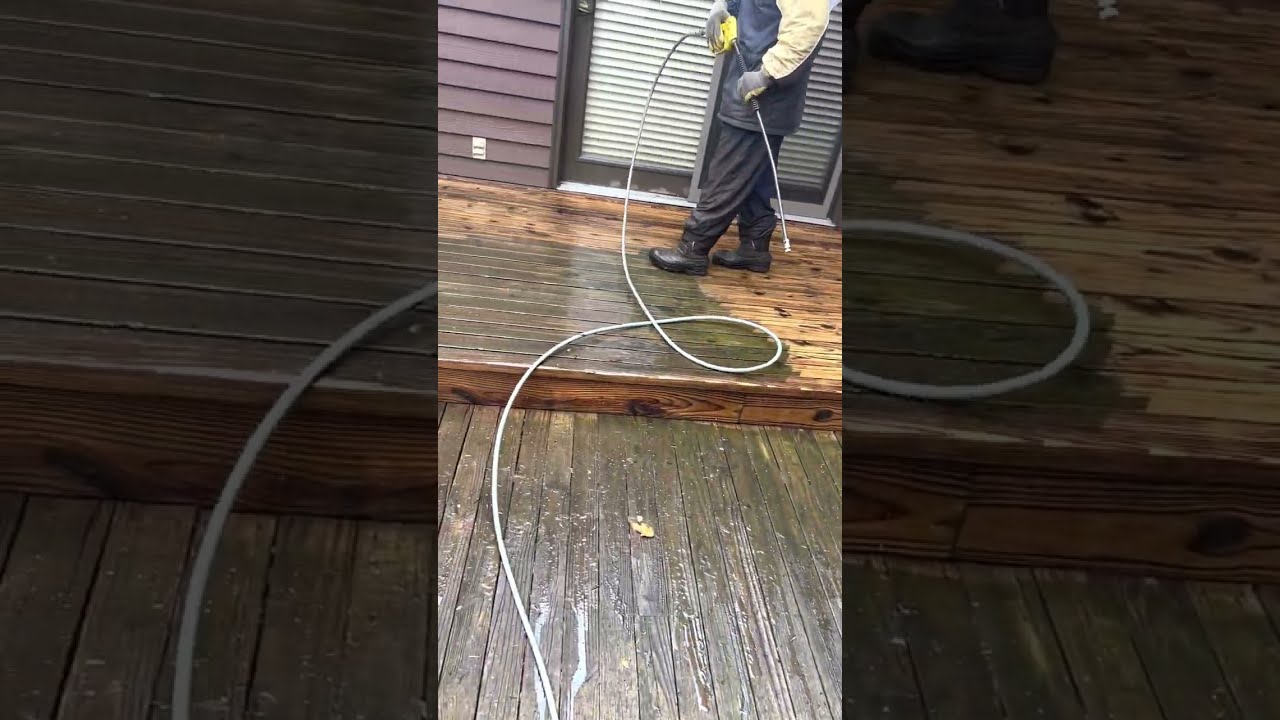
Timber is vulnerable to high pressure, which can raise the grain and cause fuzzing. Use low pressure and an oxygen-based cleaner, and avoid run-off into garden beds if the product includes brighteners or strong alkalis. Following up with a quality sealer protects the timber and extends the time between cleans, which reduces overall water and product use.
Roofs
Roof cleaning needs special care because roofs shed water directly into downpipes and the stormwater system. Disconnect or block downpipes where practicable, or divert them to a collection tank or sealed catchment while cleaning. Many Brisbane homes have rainwater tanks, so it is essential to disconnect the tank inlet before any roof cleaning to prevent chemicals entering your drinking or garden water supply.
Pavers, Pool Surrounds and Patios
Pool areas require extra attention since cleaning residues should not enter the pool, and pool water should never be pumped to stormwater without checking relevant guidelines on chlorine and chemicals. Use gentle, pool-safe cleaners and keep wash water off the pool surface. Re-sanding paver joints after cleaning stabilises the surface and reduces weed growth, so fewer herbicides are needed later.
Protecting Gardens, Wildlife and Waterways
Southern Brisbane's leafy suburbs are home to birds, possums, frogs and native vegetation. Before starting a job, wet down nearby plants with fresh water so they absorb less cleaning solution, then rinse them again afterwards. Avoid washing during strong winds, which can carry spray onto neighbouring properties or sensitive vegetation. Be careful around frog habitats such as ponds, garden bogs and water features, and avoid pressure washing where nests or wildlife are present.
Timing matters too. Check the forecast and avoid pressure washing immediately before heavy rain, which can wash residues off surfaces and into drains. Early mornings or late afternoons also reduce evaporation, so cleaning solutions work more effectively without needing reapplication.
Reducing Frequency Through Prevention
The greenest clean is the one that does not need to happen as often. Practical prevention steps include:
- Trim overhanging trees and shrubs to improve sunlight and airflow, which discourages mould and algae.
- Clean gutters regularly so water does not overflow and stain walls and paths.
- Apply breathable sealers to pavers, concrete and timber after cleaning.
- Fix leaking taps, downpipes and irrigation that keep surfaces constantly damp.
- Sweep hard surfaces regularly to remove leaf litter and organic matter before it stains.
How to Choose an Eco-Conscious Pressure Washing Provider in Brisbane
When comparing providers in the southern suburbs, ask specific questions rather than relying on general claims of being "green" or "eco-friendly." A reputable operator should be able to explain:
- How they prevent wash water from entering stormwater drains
- Which cleaning products they use, and whether safety data sheets are available
- Whether they use soft washing for roofs and delicate surfaces
- How they dispose of collected wastewater and sediment
- What they do to protect your plants, pets, pool and rainwater tank
- Whether they carry appropriate public liability insurance
A written quote that describes the method, products and water management approach is a good sign that the provider takes environmental responsibility seriously.

DIY Pressure Washing: Responsible Practices for Homeowners
If you clean your own property, many of the same principles apply. Block drains with a mat or sandbags, sweep before washing, choose a biodegradable cleaner, and wash on a lawn or permeable area when appropriate. Avoid hiring or buying a high-pressure unit that is stronger than you need, since excess pressure damages surfaces and wastes water. Never wash oil, paint or solvent residues into the street. Wipe or absorb them first and dispose of waste through your local waste facility. Council resource recovery centres in the southern suburbs can accept many household hazardous items, so check what is accepted before you visit.
Looking Ahead to 2027 and Beyond
Expectations around sustainable cleaning continue to grow as Brisbane prepares for increased attention on environmental performance ahead of the 2032 Olympic and Paralympic Games. Looking toward 2027 and beyond, homeowners can expect wider adoption of water-recycling systems, quieter battery-powered equipment and more transparent product labelling. Providers who invest in these approaches now are well placed to meet stricter standards and growing customer demand.
Final Thoughts
Eco-friendly pressure washing is about more than choosing a gentler detergent. It combines careful planning, appropriate technique, water management and prevention https://elliothggv487.juniperbrief.com/posts/5-easy-steps-to-deep-clean-grimy-outdoor-furniture-fabric to deliver a clean result without harming local waterways, gardens or wildlife. Whether you hire a professional or tackle the job yourself, protecting the stormwater system, using the right pressure and products for each surface, and minimising water use will keep your southern Brisbane property looking its best while protecting the environment that makes the area such a great place to live.
Brisbane Southside Pressure Cleaning
(07) 3179 6111